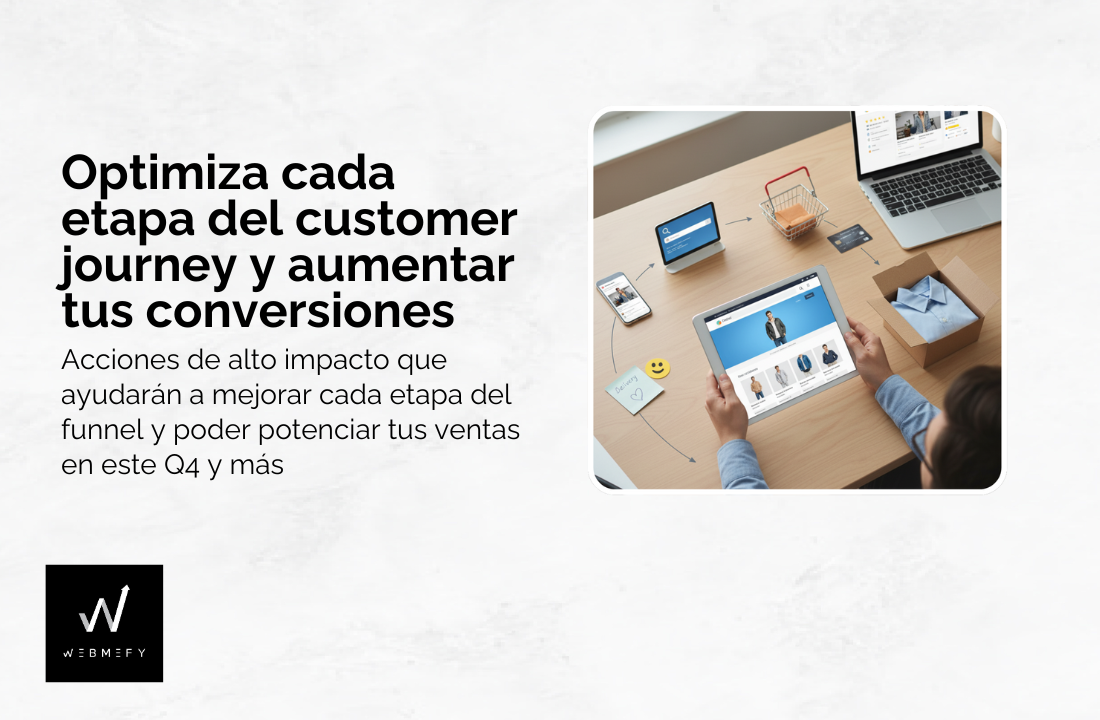
For years, e-commerce brands measured their success in clicks: CTR, web traffic, cost per acquisition. But the landscape has changed. Consumers no longer click as much as before. They search, compare, ask questions in communities or with generative AI... and then they remember.
In this new scenario, the battle is not about clicks, but about memory.
The key question is: Is your brand being remembered when the user decides?
What you will see in this article
-
Understand why traffic and channels are no longer a reliable source of pipeline growth.
-
Apply co-marketing and personal branding tactics to access audiences where they are already paying attention.
-
Create distinctive brand assets that make your brand memorable.
-
Develop a clear point of view and design content strategies that build mental availability in your buyers.
-
Build trigger-based strategies to always stay top of mind.
The new scenario: fewer clicks, more memory
According to data from Shopify and Google, searches with clicks are decreasing year after year.
Why?
Because consumers find answers directly in AI overviews, social networks, and trusted forums like Reddit or TikTok.
This means that it's no longer enough to appear; you need to stay in the buyer's mind.
The winning brands are not the most visible, but the most remembered and recognizable.
The common mistake: optimizing for reach, not for recall
Many marketing teams continue to focus their investment on increasing reach—more impressions, more traffic—when what actually builds long-term value is recall: the user's ability to remember you when they are ready to buy.
Optimizing only for visibility creates ephemeral traffic. Optimizing for recognition and trust creates brand preference.
How to build a brand that is remembered (even without clicks)
Below, we share a practical framework inspired by Louis Grenier's approach, adapted to the context of Shopify and omnichannel e-commerce brands that we support at Webmefy.
- Change your metric: from traffic to brand recall
The goal is no longer just to attract visits, but to remain in the consumer's memory.
-
Visually repeat your colors, tone, and style.
-
Use consistent messages in your emails, web, SMS, and social media.
-
Prioritize content that reinforces identity, not just promotions.
Brands that integrate their tone and design into Klaviyo flows manage to increase recall by up to 40% in retargeting campaigns.
- Leverage existing audiences (Borrowed Attention)
Don't start from scratch. Partner with creators, media, or partners who already have the trust of the audience you want to reach.
-
Collaborate with niche influencers or complementary brands.
-
Participate in podcasts or newsletters where your ideal customer already is.
-
Repurpose content from these collaborations on your own channels.
In the Shopify ecosystem, this strategy boosts brand lift without increasing the cost per acquisition.
- Create distinctive brand assets
Repetition generates recognition. Define your visual and verbal assets (logo, photographic style, copy, values) and use them consistently.
-
In fashion: a consistent color or tone of voice reinforces your brand universe.
-
In cosmetics or wellness: recognizable packaging or layout builds recall.
"When buyers don't click, they memorize what stands out."
- Control your narrative
Every brand needs a unique point of view. Don't just sell products; tell a story with purpose.
Ask yourself:
-
Why do we exist?
-
What do we stand for that others don't?
-
How do we demonstrate it in each channel?
Brands that master narrative are not only more remembered but also more trustworthy and recommended.
- Integrate personalization + branding
Personalization is not just a conversion trigger; it's a tool to reinforce who you are.
With Klaviyo and Rebuy, you can adapt recommendations and messages to user behavior without losing visual consistency or brand tone.
Real case: An accessories brand that uses real-time personalization in PDP and post-purchase flows increased its AOV by +20% and maintained its premium perception.
How to apply it in your Shopify eCommerce
-
Use your own channels (email, SMS, web) to reinforce recognition, not just to sell.
-
Create omnichannel campaigns that combine recall + performance.
-
Measure the impact on AOV, repeat purchases, and direct brand traffic.
And most importantly: maintain consistency. Every touchpoint should say "this is [your brand name]" even without showing the logo.
In summary, traffic may decline, but a strong brand continues to generate sales because it remains present in the customer's mind.
Stop optimizing only for clicks. Build trust, consistency, and recognition.
That's the new way to grow in a clickless world.
Do you want to learn how to increase your average order value with personalization?
If you want to delve into how real-time personalization can boost your AOV and strengthen the connection with your customers, join our next free masterclass with Rebuy and Webmefy:
How to increase average order value with real-time personalization for fashion and accessories brands.
🗓️ November 13 – 3:30 PM (CET)
RESERVE YOUR SPOT HERE