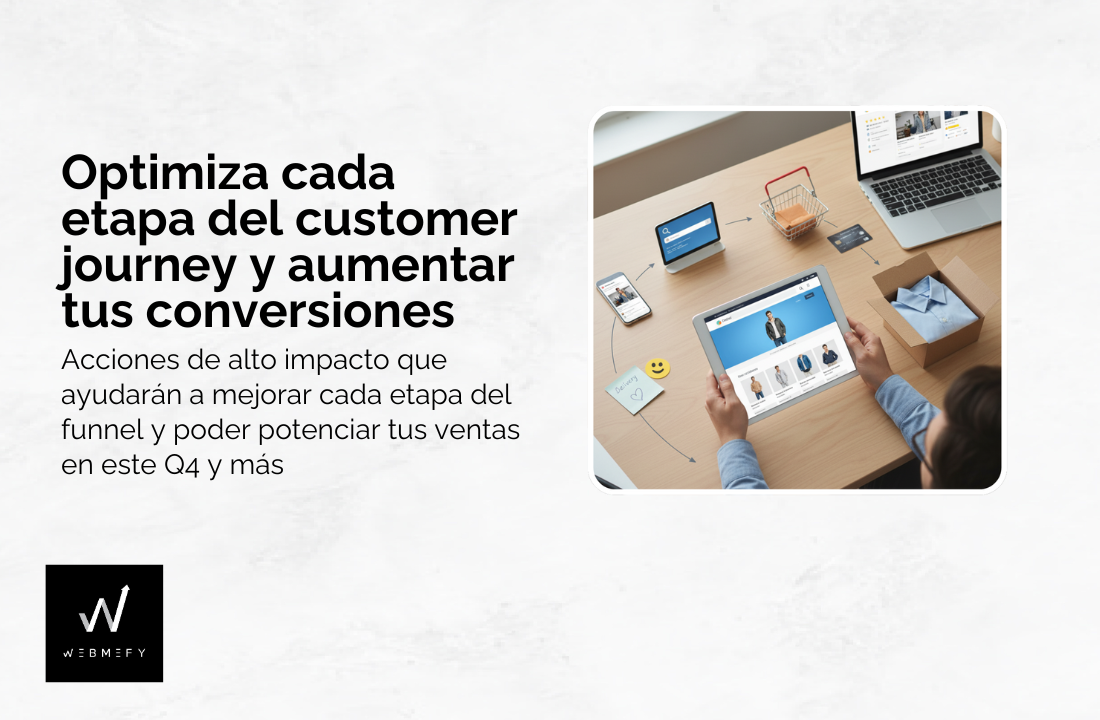
Who is the new digital buyer?
Understanding who buys online and how they do it is essential for designing effective product, communication, and customer experience strategies. Today, we're not talking about a single type of consumer, but multiple profiles: the regular buyer, the gift seeker, the exhaustive comparer, and the try-and-return customer. All of them are part of the new digital buyer, a profile that constantly evolves with technology and consumption trends.
After a market analysis, we have identified 6 key characteristics of the digital buyer in 2026. You might be interested in learning about SEO in 2026 the impact of AI on brand strategy.
1. Customers prioritize value over price
Discounts are no longer the only motivation. Consumers value convenience, speed, and the shopping experience.
- More than 80% of shoppers demand free shipping, home delivery, and real-time tracking.
Perceived value is measured in attention, trust, and satisfaction, beyond price.
2. Social commerce and video commerce on the rise
Social media has become the main channel for product discovery.
- Social commerce grows by around 30% annually.
- Video already accounts for a significant portion of online traffic in the EU.
Cases in Spain:
- Freshly Cosmetics and Scalpers use Instagram and TikTok to launch products and encourage direct purchases.
- Video storytelling and social proof are decisive levers in conversion.
3. Digital multitasking and Super Apps
Consumers look for integrated ecosystems that combine payments, orders, chat, and entertainment in one place.
- In Asia, WeChat and Alipay dominate.
- In Spain, progress is being made towards this model with:
- Glovo, which integrates supermarket, pharmacy, and convenience.
- Bizum, a social standard for instant payments.
The goal: fewer apps, more solutions in the same space.
4. Frictionless shopping: Q-Commerce
Quick commerce is already a standard in several verticals.
- Ultra-fast deliveries (less than 1 hour) from stores like Getir and Glovo Express have become an expectation.
- Adding Shop Pay as a one-click payment method eliminates friction, reduces abandonment, and can significantly increase conversions, especially on mobile.
- Additional options like Shop Pay Installments and Shop Cash provide flexibility and rewards to foster digital customer loyalty.
5. Extreme personalization and hyper-curation
A large majority of consumers share data in exchange for personalized experiences.
- Mango adapts recommendations and communications based on browsing history and geolocation.
- Sephora personalizes online and in-store experiences: product recommendations and beauty routines based on profile.
The key: transforming data into emotional and unique interactions that strengthen the connection with the brand.
6. Gamified and immersive commerce for Gen Z
Generation Z seeks interactive experiences, not just buying.
- Pull&Bear launched worlds in Roblox.
- Mango explores the metaverse and digital collections.
Retail is transforming into an immersive, gamified, and social space.
The new paradigm of the digital buyer
This consumer is:
- Hyperconnected
- Mobile-native
- Experiential
- Socially rooted
They no longer limit themselves to comparing prices: they demand immediate, fluid, and meaningful experiences, often within social networks, super apps, or virtual environments.
How do you translate this into your business?
| Strategic Action | Impact |
|---|---|
| Optimize mobile and social shopping strategy | Increase conversion during discovery moments |
| Offer flexible and ultra-fast deliveries | Increase loyalty and reduce cancellations |
| Implement data-driven personalization | Improve retention and satisfaction |
| Explore immersive commerce (AR, Live, 3D) | Differentiate yourself and attract Gen Z |
| Connect channels in integrated ecosystems | Reduce friction and increase efficiency |
Brands that understand and adapt to the profile of the new digital buyer will be better prepared to sell more, foster better loyalty, and build sustainable relationships with their customers.
The challenge is no longer just competing on price, but on experience, personalization, and relevance.
Knowing the profile of the new digital buyer is not a theoretical exercise: it is the basis for designing personalized experiences at each stage of the customer journey. Not all customers are looking for the same thing or respond in the same way, which is why the key is to apply differentiated content personalization strategies adapted to each behavior and need.
At Webmefy, we help brands transform these insights into concrete actions that reinforce conversion, loyalty, and sustainable growth. Understanding how the digital consumer evolves is the first step to building stronger, more relevant, and profitable relationships over time.
Frequently Asked Questions (FAQ)
1. How has the digital buyer's profile changed in 2026?
Today's digital buyer is more demanding, prioritizes value over price, shops from social media, seeks personalized experiences, and demands immediacy in deliveries.
We recommend performing a good SEO audit of your website and social media to thoroughly analyze all data and see if your business adapts to all these changes.
2. What is Q-Commerce and why is it important?
Quick commerce focuses on ultra-fast deliveries and frictionless purchasing processes. It is already standard in categories such as food, health, and fashion.
3. What role does personalization play in eCommerce?
Personalization increases retention, average ticket size, and loyalty. Most users share data when they receive more relevant experiences. That's why it's crucial to work with an SEO agency to develop an effective SEO strategy.
4. Why is social commerce key for fashion and cosmetics?
Because users are increasingly discovering and buying from Instagram, TikTok, and YouTube, where video storytelling and social reviews drive conversion.
5. How can brands connect with Generation Z?
Through gamified and immersive experiences such as AR, 3D worlds, or live shopping, which blend entertainment with digital commerce.